Bakery Production Software

From a single recipe to every bake, every batch, every lot

Most small bakeries don't have a production problem. They have a "where did I write that down?" problem. Craftybase is bakery production software that ties your recipes to every bake, your bakes to every batch record, and your batches to the ingredient lots they came from.

4.6/5 from 240+ reviews on Capterra
Bakery production software showing recipe, bake schedule, and batch record

What Is Bakery Production Software?

Bakery production software manages recipes, bake schedules, batch records, and lot tracking for small bakeries, tying every finished bake back to its ingredients.

Bakery production software (also called bakery production management software or bakery production planning software) is the manufacturing layer that turns recipes into actual bakes: scheduling them, recording them, and linking every batch back to the specific ingredient lots that went into it. Unlike a point-of-sale system (which tracks sales) or inventory software (which tracks ingredient stock), production software handles the bake itself: the schedule, the batch record, the multi-level recipe, the per-yield-unit cost. Craftybase is bakery production software for small-batch bakers, custom cake decorators, and cottage bakeries who want every bake to leave behind a paper trail.

Looking for ingredient stock and reorder tracking instead? See our bakery inventory software. Need to manage orders across farmers markets, wholesale, and online? See our bakery management software.

The bake itself is the part nobody tracks

Most small bakeries have something that loosely resembles inventory tracking and something that loosely resembles order tracking. The bit in the middle, the bake itself, is the part that lives in your head, your notebook, or a sheet of butcher paper taped to the cooling rack.

That gap shows up in three predictable ways:

  • You can't reproduce a bake reliably. A wedding cake comes back six months later for an anniversary tier. You're trying to remember whether you used Plugra or Lurpak butter, and what fragrance the customer loved.
  • You can't trace a problem. A wholesale cafe rings to say a batch of croissants tasted off. You can't say which flour bag, which yeast lot, or which day's bake.
  • You can't cost a yield. The same brownie batter is sold whole as a tray, cut into 24 pieces at the market, or split between three custom cookie boxes. The "per piece" cost depends on how it was sold, not just the recipe.

That's the gap bakery production software fills: connecting the recipe, the bake, the batch record, and the ingredient lots into one continuous chain.


Every bake leaves a
batch record behind

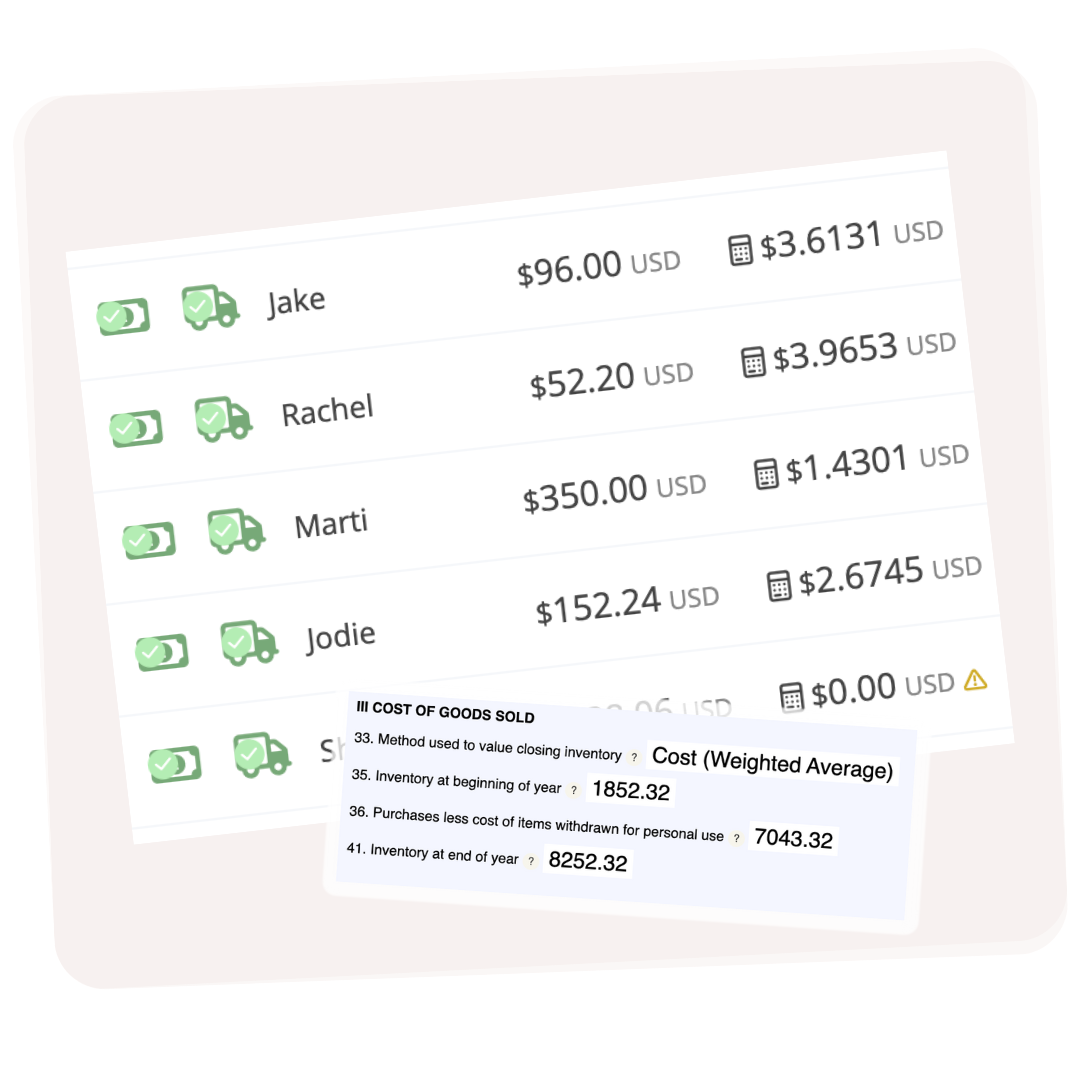
When you log a bake in Craftybase, it captures the date, the recipe version used, the ingredient quantities, and the specific ingredient lots that went in: which flour bag, which butter delivery, which yeast batch. That record stays attached to the finished product and the orders it filled.

So when a wholesale account asks for a batch manufacturing record, or a customer flags a problem with a specific cake from last weekend, you can pull the record in seconds. No reconstructing the day from a notebook.

Without Craftybase I would not be able to run my business properly. It tracks all my ingredients to the gramme so I can confidently price my products knowing that everything is correct and I can trace all my products to each supplier.

Lorraine Purcell
Lorraine Purcell
Lorraine's Cakery
Start my free trial →

No credit card required · Takes about 15 minutes to set up

Craftybase helps me keep my sales automatically entered into my system so that I can get on with doing the fun part: the creative products I make!

Kitty Kitty

Without Craftybase I would not be able to run my business properly. It tracks all my ingredients to the gramme so I can confidently price my products knowing that everything is correct and I can trace all my products to each supplier.

Lorraine Lorraine

Who is this bakery production software for?

Craftybase is bakery production software built for the manufacturing side of a small bakery: the recipe, the bake, the batch record, the lot trail, and the per-yield cost. It's designed for bakers who run batches, not single counter sales.

It works well for:

  • Custom cake decorators and cookie artists. Every wedding cake is a one-off, every decorated cookie set is its own bake. Capture the recipe, the scaling, the ingredients used, and the batch record in one record you can quote against next time.
  • Sourdough and artisan bread bakers. Multi-day starter feeds, autolyse times, oven loads. The production calendar is the business. Plan the week, log every bake, link the loaf back to the flour bag.
  • Wholesale bakers supplying cafes and retail. Batch manufacturing records, ingredient lot trails, and traceability your wholesale buyers will actually accept.
  • Cottage bakers ready to formalize the bake. If your bakes still live in your head and a notebook, this is the layer that turns them into a real production record.
  • Bakers planning the cottage-to-commercial transition. Commercial kitchens require a level of production traceability cottage operations don't. Start the habit before the inspection.

Bakery production software is not a replacement for a point-of-sale system, a wholesale invoicing tool, or a full enterprise ERP. It sits between your recipes and your finished products, handling the bake itself.

Dear baker...

Hi there! I'm Nicole, and I started Craftybase in 2011 to help small-batch makers get clearer numbers on what they actually produce.

The hardest part of running a small bakery isn't the baking. It's the moment a wholesale buyer asks for a batch record, a regulator asks for an allergen rollup, or a customer comes back six months later wanting the same cake again, and the only "system" you've ever had is the recipe card on the fridge and a memory you trust further than you should.

I'd love for you to give Craftybase a try and see whether it gives the bake itself the paper trail it deserves. You can start your free, full-featured 14-day trial by clicking here: no credit card or commitment required.

Nicole

Founder, Craftybase

What to look for in bakery production software

A POS handles a single sale well. Inventory software handles ingredient stock well. Neither was built around the act of baking. Here's what actually matters when you're choosing bakery production software:

  • Multi-level recipes (multi-level BOM). Sub-recipes nested inside recipes. A cake that uses a ganache that uses a cream. Cost rolls up automatically when an ingredient price changes.
  • Bake schedule and manufacture queue. A view of what needs to be in the oven this week against orders you've already taken, not a separate calendar you'll forget to update.
  • Batch records by default. Every bake should leave a record without extra work. Date, recipe version, ingredient quantities, ingredient lots used.
  • Lot number traceability. Every finished product traceable to the specific ingredient lots it contains, both directions.
  • Allergen rollup. Allergens tagged at the ingredient level should propagate up through nested recipes to the finished product label automatically.
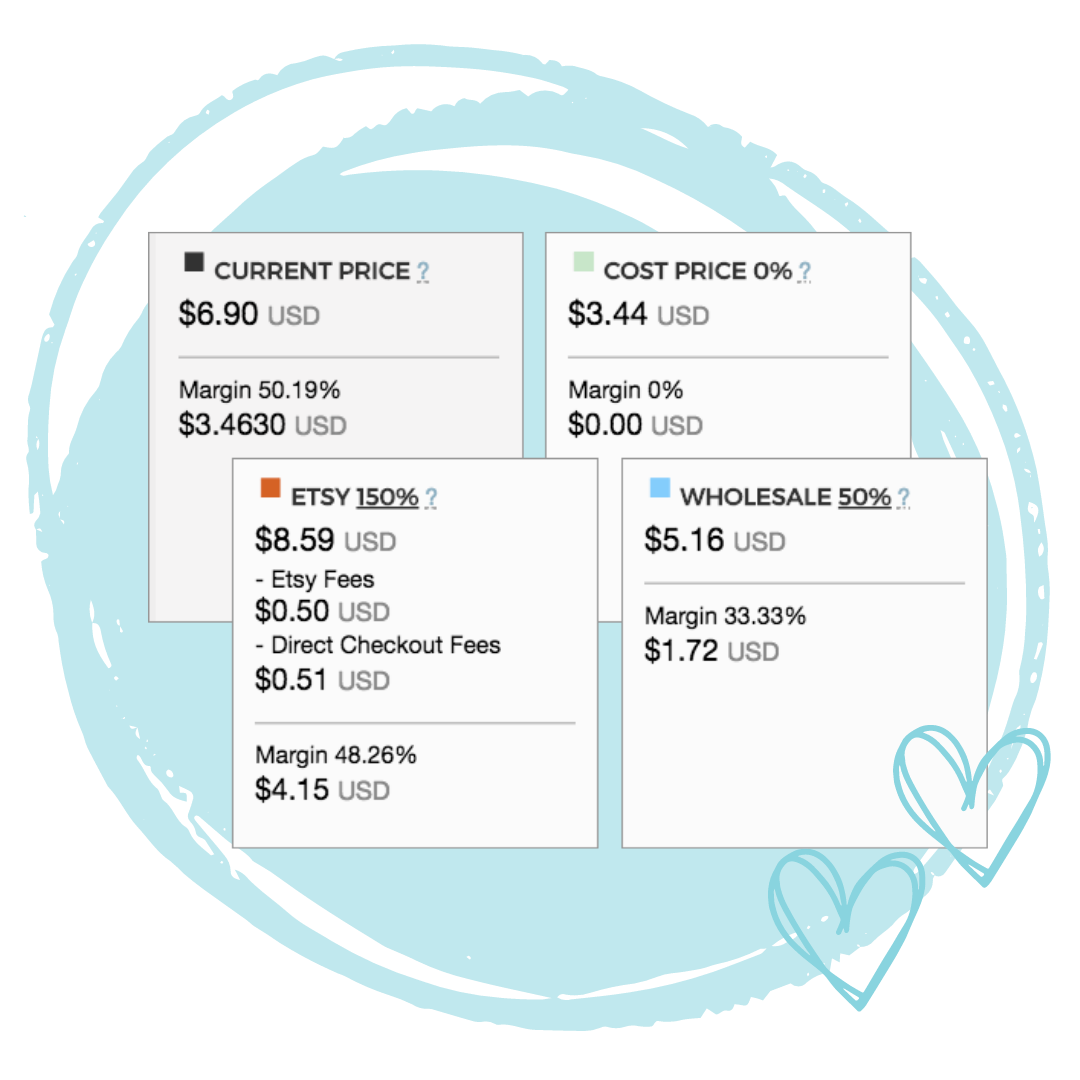
  • Per-yield-unit costing. Per slice, per cake, per dozen, per tray, per loaf. The same recipe should cost out correctly to whatever unit you actually sold.

General business tools cover one or two of these. Bakery-specific production software is built around the rest.

Frequently Asked Questions About Bakery Production Software

What is bakery production software?
Bakery production software is the manufacturing layer that handles the bake itself: the recipe, the schedule, the batch record, the ingredient lots used, and the per-yield-unit cost. Unlike inventory software (which tracks ingredient stock) or a POS (which tracks sales), production software is built for the work that happens between the two: turning recipes into finished bakes that leave behind a complete paper trail.
How is bakery production software different from bakery inventory software?
Bakery inventory software tracks ingredient stock: what's on the shelf, what's running low, what to reorder. Bakery production software tracks the bake: which recipe was made, when, by whom, with which ingredient lots. Most small bakeries need both, and the two are tied together (logging a bake deducts the ingredients used). Craftybase covers both in a single system.
Can I track ingredient lot numbers and full batch traceability?
Yes. Every bake gets a batch record that captures the specific ingredient lots that went in, plus a generated lot number for the finished product. If a flour batch is recalled, you can see exactly which of your bakes used it and which finished products went out the door. Traceability runs both directions: from finished product back to ingredients, and from ingredient lot forward to every bake it touched.
Does it handle multi-level recipes (recipes that include other recipes)?
Yes. Sub-recipes nest inside recipes. A wedding cake recipe can include a separate ganache recipe, which can include a separate flavored cream sub-recipe. Cost rolls up automatically through the layers, so when the price of butter changes you don't have to update every recipe by hand. Allergens roll up the same way: an ingredient flagged as containing milk propagates that disclosure up through every recipe and finished product that uses it.
Can I cost the same bakery recipe per slice, per cake, and per dozen?
Yes. A single bake can be split across multiple yield units: slices, whole cakes, dozens, trays, loaves. Per-unit cost rolls up correctly to whichever sale unit you actually invoiced. So the same brownie batter sold whole as a tray to a wholesale account and cut into 24 pieces at the farmers market shows the right cost on each line.
Is it the right bakery production software for cottage bakers?
Yes. Cottage bakers use Craftybase for the same reasons commercial bakers do: clean batch records, allergen rollup, lot traceability when a wholesale account or a regulator asks. Starting these habits while you're still under your state's cottage food cap means the move to a commercial kitchen is a paperwork transition rather than a from-scratch rebuild.

Stop running your bakes out of a notebook. Start your free 14-day trial of Craftybase today.

No credit card required · 14-day full-featured trial

More for bakery owners